
Ride-along flights
Flight 1 & 2: Ride-along
The goal of the first two flights is to validate your UAV setup with Cyclops estimating positions in the background (i.e. not running in the loop). This way you can assess Cyclops performance without the risk of sending inaccurate positions to the flight controller in the event that something is not working as expected.
Some common errors to look for during these flights:
Camera calibration issues
Hardware, power, and overheating issues
Flight controller configuration
It is preferable to test in an environment where GPS is available so we can compare Cyclops' performance against a ground truth.
GPS-denied environment
A VTX module, pilot capable of manually flying the aircraft, and a redundant source of position (e.g., CRPA GPS antennas) are all useful to avoid issues in case GPS is compromised during test flights. Make sure that your UAV has a stable way to navigate while testing Cyclops.
If you are testing in GPS-denied environments, make sure you have several redundancies before running test flights. You should not rely on Cyclops for positioning on your first test flight.
Mission plan
A good mission plan for initial flight tests might feature:
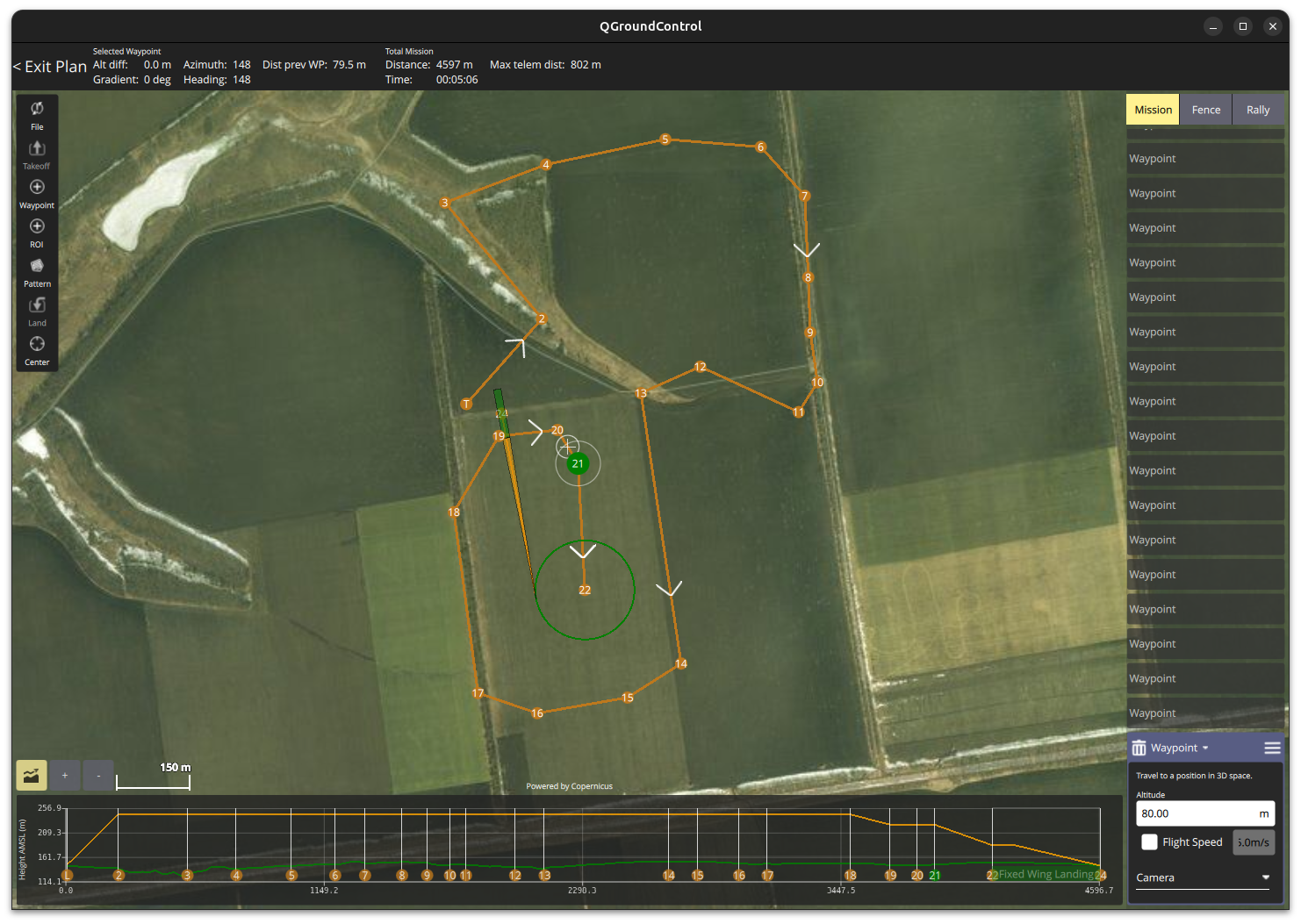
Before the flight
Refer to the Pre-Flight Checklist
Success criteria
Cyclops position updates appear on Vozilla
Cyclops position estimates match UAV trajectory
After the flight
Connect the device to your laptop running Vozilla to synchronize logs
Review the performance on the Flights page
Run this first mission at least two times. The Cyclops position track should match the trajectory of the UAV (and GPS track if available).
Once you've successfully run two ride-along flights, proceed to testing Cyclops in the loop.
Last updated